Emirati villages are getting renewed attention as the Ministry of Culture rolls out a new initiative to turn rural communities into centers for traditional arts and crafts. The goal is to put heritage at the core of local life and economic growth, rather than focusing only on new buildings and infrastructure. This approach fits into the UAE's wider cultural plans, with the Ministry supporting programs that involve writers, intellectuals, and young people in shaping the country's creative future, as reported by the Emirates News Agency.
Instead of investing solely in construction, the new strategy shifts resources toward people and their creative skills. Villages are set to become open-air cultural destinations, where the stories and crafts of previous generations are not just preserved but brought back to life and adapted for today. This focus on people and heritage is part of the UAE Vision 2031 and the Dubai Economic Agenda D33, both of which see cultural innovation as key to economic diversification.
Heritage as a foundation for innovation
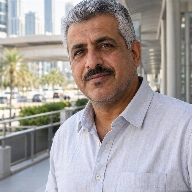
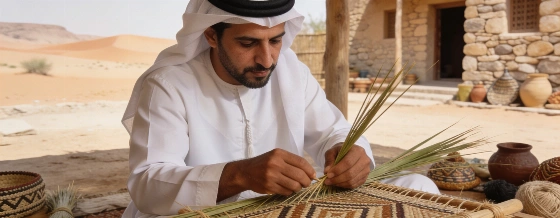
Dr. Hamad bin Sarai, a heritage researcher, says that investing in culture is one of the most resilient ways to support development. He points out that each village-whether in the mountains, desert, or along the coast-holds unique memories and skills. Crafts like 'sadu' weaving, 'al-baydara' rhythms, and palm frond weaving are at risk as older generations pass away and young people move to cities.
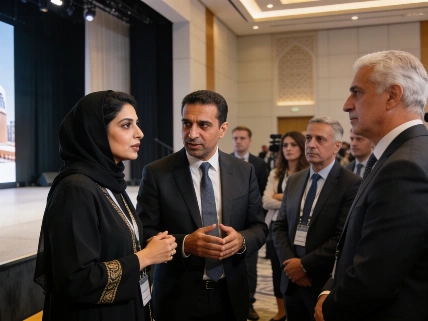
Bin Sarai calls for training centers and workshops in villages to document and revive these crafts. He warns that without quick action, the knowledge held by elders-especially in agriculture and oral traditions-could be lost. Programs for school students and youth during weekends and holidays are seen as essential to keep heritage alive and relevant. The Ministry of Culture's recent participation in the Abu Dhabi International Book Fair 2026 included new initiatives like the "Reading Retreat 2026" and the "National Gathering of Emirati Writers and Intellectuals," aimed at building stronger ties between the cultural sector and government, according to WAM.
This people-focused approach is also reflected in recent efforts to adapt work models across the UAE.
Art as a driver of rural transformation
Visual artist Dr. Najat Makki sees heritage as a living memory, renewed through daily life and creative work. She supports bringing public art and traditional designs into homes and public spaces, with each village developing its own theme. Skilled artists, working with local authorities, could create murals that turn ordinary buildings into cultural landmarks.
Makki also calls for a national strategy led by experts in architecture and the arts, with input from citizens and residents. She believes that documenting these projects and recognizing artists' work would encourage more innovation and make art accessible to everyone. The Dubai Culture and Arts Authority recently launched the "Stories of Wulfa" competition, offering AED 2 million for an animated series based on Emirati traditions, showing continued support for original visual content and local identity. Details were covered by TBreak.
Makki sees visual arts as a way to boost both culture and tourism. She suggests creating monuments inspired by traditional architecture, sadu patterns, and Emirati jewelry, and reimagining folk tales through contemporary art and murals. Involving students in these projects is seen as important for keeping the momentum going and making sure creative energy leads to lasting results in each place.
From inspiration to economic impact
Artist Abdul Qader Al Rais finds inspiration in the physical environment of each village. He believes that preserving heritage means understanding its spirit and expressing it in new ways, not simply copying the past. Every village, he says, has its own stories and details that can be turned into art with wide appeal.
Al Rais sees visual arts as a way to bring new life to rural communities, connecting memory, people, and the natural setting. By organizing workshops, exhibitions, and creative trails, villages can become cultural destinations that benefit local residents through tourism and economic activity. In Sharjah, for example, the Institute for Heritage has started programs to revive traditional home design and hospitality, part of a broader move to make heritage both commercially viable and relevant today, as reported by Sharjah 24 and other regional outlets.
Still, Al Rais notes that talent alone is not enough. Young artists need opportunities, dedicated spaces, and ongoing mentorship. He calls for blending the villages' heritage with the energy and tools of the younger generation, so each community can develop its own cultural identity and reach a wider audience. The Abu Dhabi Department of Culture and Tourism has also promoted heritage activities through the Craftsmen Council, presenting traditional crafts in a contemporary way, as confirmed by official DCT Abu Dhabi publications.
The Ministry of Culture's initiative marks a shift in how rural development is approached in the UAE. By focusing on cultural memory and creative skills, the government is testing a model where heritage is not just preserved but used to drive economic and social renewal. The challenge ahead is whether these creative villages can offer real opportunities for young people and artisans, making sure Emirati heritage is lived, adapted, and shared beyond its borders.