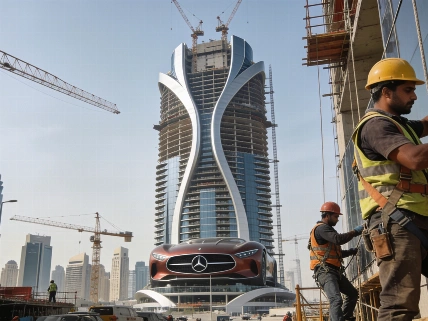
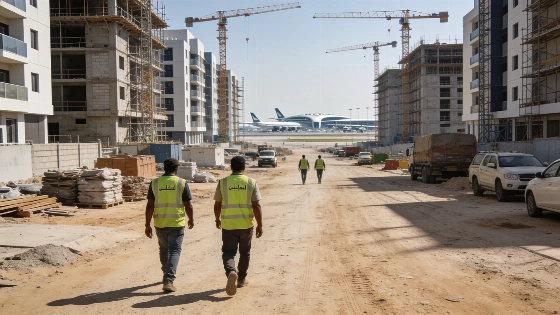
Construction cranes now dot the horizon far from Burj Khalifa. New districts are pulling Dubai's property market in fresh directions. The city's growth is no longer tied to its old downtown. This change lines up with the Dubai Economic Agenda D33 and the emirate's long-term plans for sustainable expansion. Both the Dubai Media Office and Emirates News Agency (WAM) have tracked these moves.
Dubai South leads the charge. Its location near Al Maktoum International Airport and Jebel Ali Port gives it an edge. Companies and residents are moving in, looking for options outside the city centre. Dubai Airports says work on Al Maktoum International is moving "full speed ahead." A second runway at DWC is set to open by late 2027. Expo City Dubai is also changing fast. It has moved on from Expo 2020 and now hosts big events like GISEC Global 2026. The area is turning into a permanent business and innovation hub. Dubai Silicon Oasis is building its name as a tech and innovation centre. It backs Dubai's push for digital transformation and smart city projects.
This shift is no accident. Dubai's 2040 Urban Master Plan lays out six main urban centres. Each one is meant to focus jobs, services, and economic activity. The list includes Deira, Bur Dubai, Downtown and Sheikh Zayed Road, Dubai Marina, Dubai Silicon Oasis, and what used to be District 2020-now Expo City Dubai. Jebel Ali is set for development after 2040. That's a long-term bet. A recent analysis of Dubai's real estate landscape confirmed this multi-centre plan.
Transport sits at the heart of the strategy. The plan calls for higher density near public transport stations. The goal is to make new districts easier to reach and less tied to private cars. You can already see this in Dubai South and Expo City Dubai. Both are being built up with strong logistics and mobility links. The master plan for Al Maktoum International Airport (DWC) is ambitious. It aims for more than 260 million passengers and 12 million tonnes of cargo each year. Dubai South is set to become a major aviation and logistics hub, not just a place to live. AI Global Real Estate and Dubai Airports both back this outlook.
For investors and families, the impact is clear. Demand is moving to these new hubs. People want places with good transport and plenty of services. The old days of Downtown as the only hotspot are over. The Dubai Land Department and the Central Bank of the UAE (CBUAE) have both reported more transactions and mortgage activity in these districts. The city's economic diversification is showing up in the numbers.
Recent changes fit a bigger trend. Dubai's property market is spreading out. Branded towers are rising in new areas. The city's map is being redrawn. It's not just about new buildings. It's about where people choose to live, work, and invest. EZDubai, a dedicated e-commerce zone in Dubai South, adds to the area's role in the digital economy and logistics. The National and Tbreak have both highlighted this shift.
Dubai's multi-centre model is more than a plan on paper. It's already changing the property market. Demand is spreading out. Growth is picking up in new places. The winners will be those who spot this early. The city's future is being built across a network of new districts, not just under its tallest tower. As Dubai rolls out its 2040 vision, updates from the Dubai Media Office and Emirates News Agency (WAM) will keep tracking the city's next moves.